Why Personal Portfolio Websites are the New Resumes for 2026
The traditional resume is dying. While it still has its place in HR portals, the real "hiring" decisions in 2026 are happening on personal portfolio websites. Whether...
Free tool
Grade your website before you keep reading
Most readers want a quick benchmark first. Start with the free Website Grader, then come back to this article with a clearer sense of what to fix.
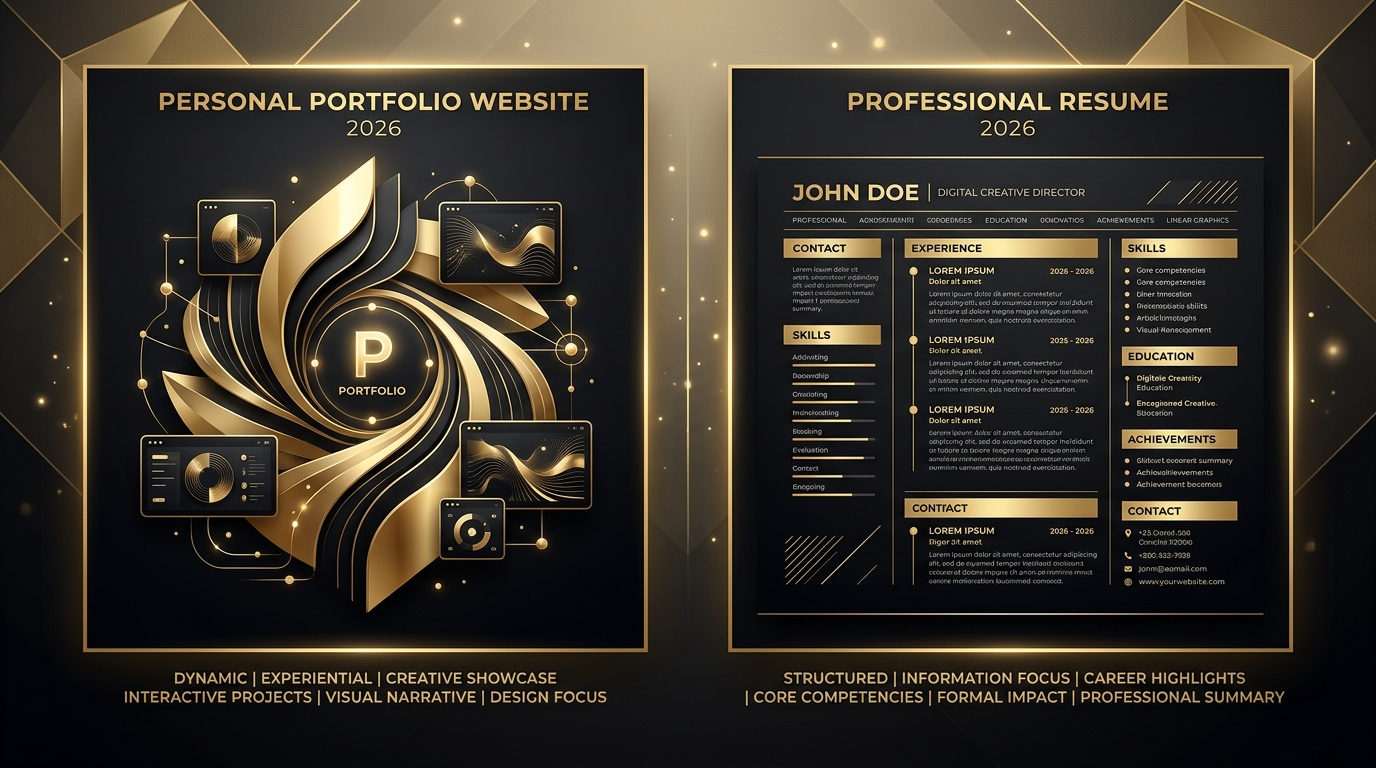
The traditional resume is dying. While it still has its place in HR portals, the real "hiring" decisions in 2026 are happening on personal portfolio websites. Whether you're a developer, a consultant, or a creative, your website is where your story comes to life.
The Problem with the Static Resume
Resumes are inherently limited. They are lists of past actions, often stripped of context and personality. In a world where AI can draft a "perfect" resume in seconds, employers are looking for something AI *can't* fake: a track record of thinking and execution.
1. Proof of "Proof"
A resume says "I managed a team." A portfolio shows the projects that team built, the problems they solved, and the actual impact they had. In 2026, recruiters use AI tools to verify claims. Having a central hub with case studies, live links, and GitHub repositories makes their job easier—and your candidacy stronger.
2. Owning Your Narrative
When someone Googles you, what do they find? A LinkedIn profile you haven't updated in months? Or a curated experience that highlights exactly what you want to be known for? Your website is the only piece of digital real estate you truly own.
3. The "Agent" Advantage
Modern recruiters use AI agents to find candidates. A well-optimized personal site with clear structured data allows these agents to "understand" your skillset far better than a buried PDF on a job board.
What Your 2026 Portfolio Needs
Your career is more than a list of bullet points. In 2026, make sure your digital presence reflects that.
---
Turn this article into a real benchmark
Start with the free Website Grader for an instant score, then move to the full AI scan when you want page-level recommendations.
Open the Free Website Grader →