Human-Centered CRO: The Psychology of Modern Conversion Optimization
In the high-speed digital economy of 2026, Conversion Rate Optimization (CRO) has moved far beyond the simplistic days of changing button colors or rearranging sidebar...
Free tool
Grade your website before you keep reading
Most readers want a quick benchmark first. Start with the free Website Grader, then come back to this article with a clearer sense of what to fix.
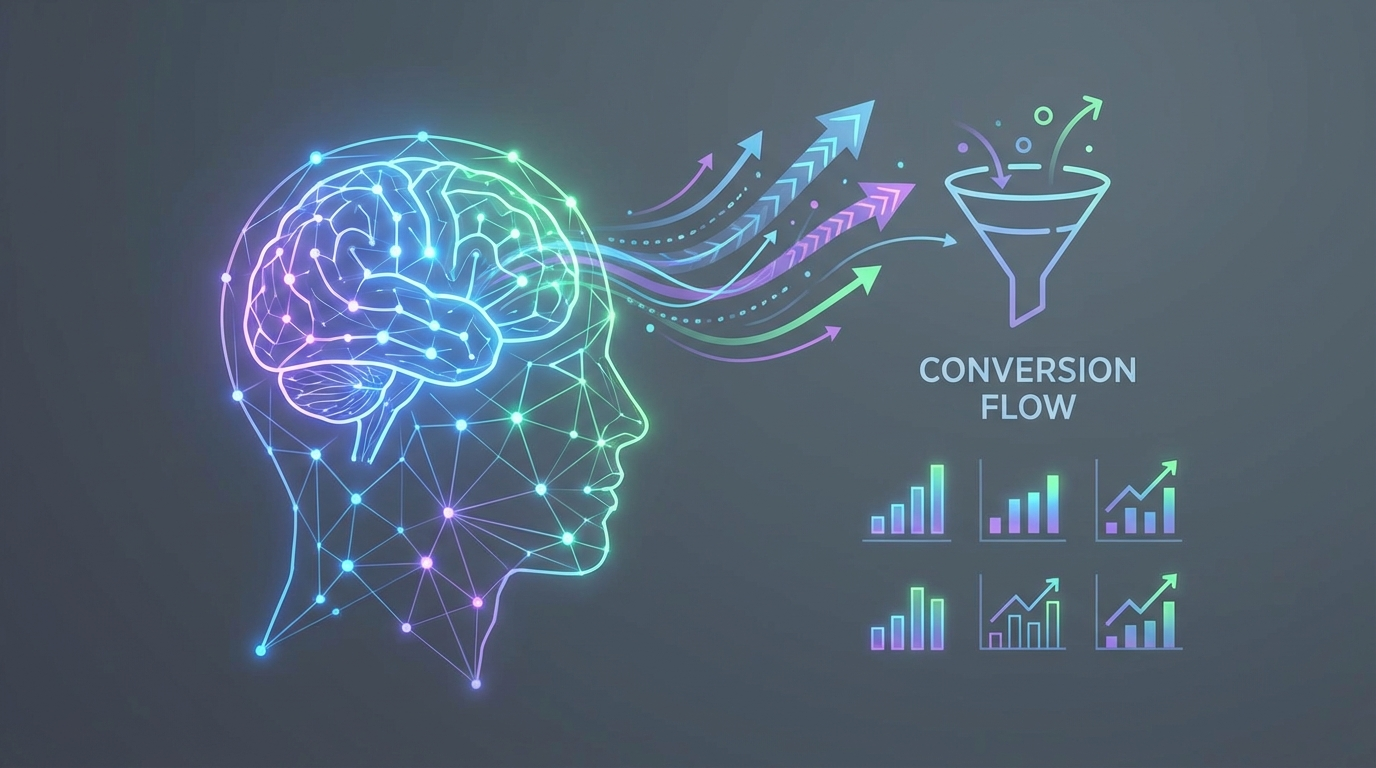
# Human-Centered CRO: The Psychology of Modern Conversion Optimization
In the high-speed digital economy of 2026, Conversion Rate Optimization (CRO) has moved far beyond the simplistic days of changing button colors or rearranging sidebar widgets. As AI-driven search engines and "agentic" web browsers begin to filter content before it even reaches human eyes, the users who *do* land on your site are more intentional, more skeptical, and more overwhelmed than ever before.
To convert today’s visitor, you must look past the data points and into the human psyche. Here is how human-centered psychology is redefining CRO in 2026.
1. The Paradox of Choice and Decisional Fatigue
We’ve known about the "Paradox of Choice" for decades, but in an era where AI can generate infinite alternatives, decisional fatigue is at an all-time high. A common mistake businesses make is providing too much information or too many options in an attempt to be "helpful."
**The Fix:** Modern CRO focuses on *Guided Discovery*. Instead of a massive product grid, use interactive "discovery paths" or AI-assisted filters that narrow options based on specific user intent. By reducing the cognitive load required to make a choice, you dramatically increase the likelihood of a conversion.
2. Micro-Moments of Trust: The End of Over-Promise
The 2020s saw a massive "trust deficit" in digital marketing. Users are now hyper-aware of dark patterns, fake countdown timers, and inflated social proof. In 2026, CRO is about *Radical Transparency*.
Trust isn't built with a single badge; it's built through micro-moments:
3. The Power of "Strategic Friction"
Counterintuitively, the smoothest path is not always the highest-converting one. While "frictionless" was the mantra of the 2010s, modern psychology suggests that *Strategic Friction*—slowing the user down at key moments—can increase the perceived value of a product.
For high-ticket services or complex software, a 2-second "calculating your custom results" animation or a thoughtful survey question can make the eventual offer feel more tailored and valuable than an instant generic price tag.
4. Emotional Resonancy Over Feature Density
Features tell, but benefits (and emotions) sell. In a world where every software has similar features, users convert on *identity alignment*. Does using this product make me feel smarter, faster, or more secure?
Human-centered CRO audits now prioritize "Resonancy Mapping"—ensuring that every headline and image triggers a specific desired emotional state, rather than just listing technical specifications.
Conclusion
Data will always be the backbone of CRO, but psychology is its heart. As we move further into 2026, the businesses that win will be those that treat their visitors as humans first and data points second. By optimizing for trust, clarity, and emotional resonance, you build a conversion engine that outlasts any algorithm change.
***
Turn this article into a real benchmark
Start with the free Website Grader for an instant score, then move to the full AI scan when you want page-level recommendations.
Open the Free Website Grader →