The Zero-Click Discovery Trap: How Local SEO Is Changing in 2026
The search engine result page (SERP) is no longer a list of links. It's an **Answer Engine**. 🌌
Free tool
Grade your website before you keep reading
Most readers want a quick benchmark first. Start with the free Website Grader, then come back to this article with a clearer sense of what to fix.
# The Zero-Click Discovery Trap: How Local SEO Is Changing in 2026
The search engine result page (SERP) is no longer a list of links. It's an **Answer Engine**. 🌌
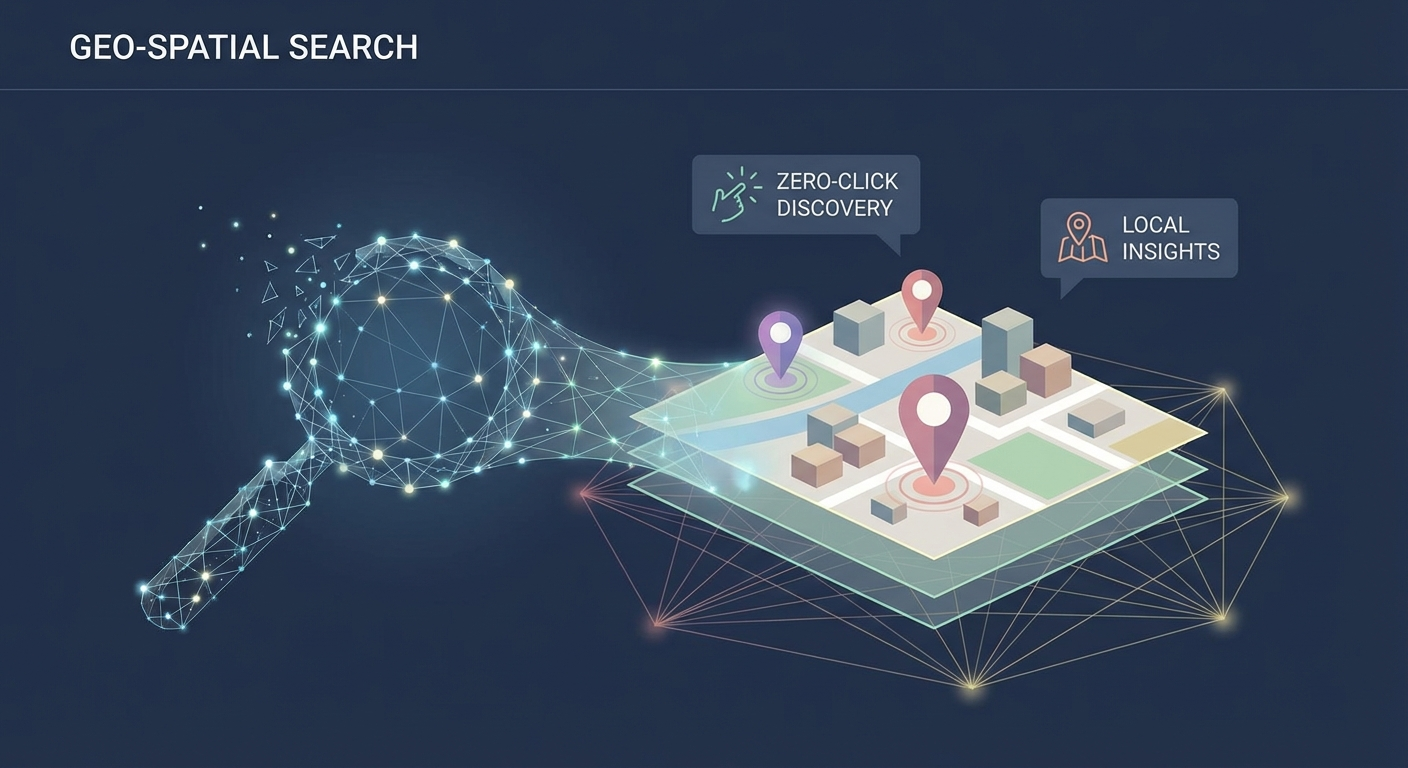
In early 2026, we've seen a massive shift in local SEO. Up to **70% of local searches** now result in a "Zero-Click" experience. This means the user finds the phone number, the hours, the menu, or the "book now" button directly within the AI-generated summary or the Google Maps interface. They never visit your actual website.
If you are still measuring success solely by "Organic Traffic" in Google Analytics, you are missing the forest for the trees.
Your Website is Now a "Data Source"
In 2026, your website serves two primary purposes for Local SEO:
If your site is slow, unorganized, or lacks modern Schema markup, you aren't just invisible to users—you are invisible to the AI assistants that would have recommended you.
Winning in the Zero-Click World
1. The Google Business Profile (GBP) is Your New Homepage
Your GBP is where the conversion happens.
**The 2026 Playbook:**
* **High-Frequency Updates:** Post updates 3–4 times per week. AI models favor "fresh" signals.
Want a fast score before you touch the site?
Use the free Website Grader to get an instant trust, UX, SEO, and performance score, then decide if you need the full AI review.
Open the Free Website Grader →* **Visual Storytelling:** Upload high-resolution, "human" photos (not stock) daily or weekly. Users want to see the vibe *right now*.
* **Review Velocity:** It’s no longer about total reviews; it’s about *velocity*. A business with 5 new reviews this week will outrank a business with 500 total reviews and none in the last month.
2. Hyper-Local Entity Authority
Google and other AI search engines are moving away from broad "City Name" keywords. They are now focusing on **neighborhood-specific entities**.
**The Fix:** Mention local landmarks, cross-streets, and neighborhood-specific events on your website. Use "Neighborhood" Schema markup. If you’re a coffee shop in Swanley, don't just say "coffee shop in Kent." Say "the best espresso near Swanley Park."
3. AEO (Answer Engine Optimization)
AI assistants like ChatGPT and Gemini are being used for local recommendations ("Find me a quiet plumber near me who takes Apple Pay").
**To be recommended, you must:**
* **Explicitly answer local questions:** Have an FAQ section that answers the most common "how" and "where" questions for your neighborhood.
* **Structured Data is Mandatory:** If your price list, hours, and service areas aren't in JSON-LD Schema, the AI has to "guess." AI doesn't like guessing.
The Connection is the Goal
Local SEO isn't about getting a click; it's about getting a customer. 🌌
Whether they find you via an AI summary, a voice command in their car, or a traditional search, the goal is the same: to be the most trusted, relevant "entity" in their immediate physical world.
Stop fighting the Zero-Click trend. Embrace being the answer they find before they even have to ask. ✨
Turn this article into a real benchmark
Start with the free Website Grader for an instant score, then move to the full AI scan when you want page-level recommendations.
Open the Free Website Grader →