SaaS Retention by Design: The 2026 UX Playbook for Churn Reduction
In 2026, the cost of customer acquisition (CAC) has skyrocketed, making **Retention** the most important metric for any SaaS business. But long-term retention isn't ju...
Free tool
Grade your website before you keep reading
Most readers want a quick benchmark first. Start with the free Website Grader, then come back to this article with a clearer sense of what to fix.
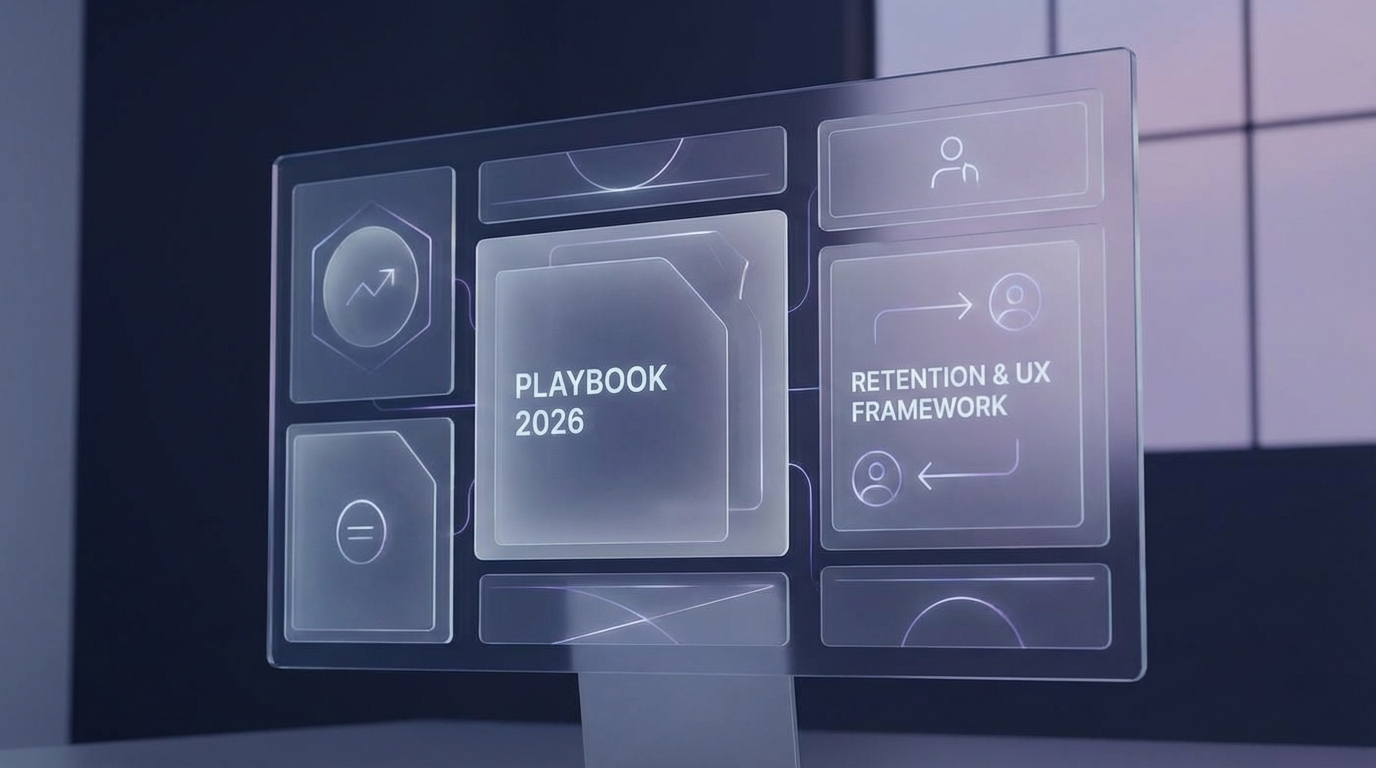
# SaaS Retention by Design: The 2026 UX Playbook
In 2026, the cost of customer acquisition (CAC) has skyrocketed, making **Retention** the most important metric for any SaaS business. But long-term retention isn't just about a good product; it’s about a **UX strategy** that evolves with the user.
If you’re still relying on a static dashboard and an email sequence from 2024, your churn rates are likely higher than they should be. The 2026 SaaS playbook is all about **Predictive UX** and **Strategic Friction**.
The Retention Journey: From "Aha!" to Habit
1. The Personalized First 90 Seconds
User onboarding in 2026 has moved away from generic product tours. Instead, high-growth SaaS platforms now use **Adaptive Onboarding**. Using initial survey data or AI-driven behavioral signals, the interface reconfigures itself to show only the 2-3 most relevant features for that specific user’s role.
2. Reducing Cognitive Load through Generative UI
The rise of **Generative UI** allows SaaS platforms to create dashboard widgets on the fly. If a user is constantly looking for "Monthly Revenue Reports" in the sidebar, the AI identifies this pattern and pins a custom report widget to their home view. This "Path of Least Resistance" UX keeps users coming back because the tool literally learns to anticipate their needs.
Why Retention-Driven UX is an SEO Asset
Google’s "User Engagement Signals" (UES) in 2026 are highly sophisticated. They measure "Meaningful Interaction Time" (MIT)—how long a user spends actively using your tool after logging in.
Strategic Friction: When to Slow the User Down
Believe it or not, some friction is actually good for retention. In 2026, we see the rise of **"Confirmation Friction."** Before a user performs a destructive action (like deleting a project) or makes a major change, the UI prompts them with a "Wait, before you do that..." message that highlights the value of the data they’re about to lose. This increases the perceived value of the platform.
Quick Checklist for Your SaaS UX Audit:
The 2026 Verdict: Design for Relationships, Not Just Sessions
The SaaS winners of 2026 aren't the ones with the most features; they’re the ones that are the most **delightful to use every day**. When your UX makes the user’s life easier, they won't even think about looking for an alternative.
Is your SaaS platform losing users at the finish line? SiteInsight AI provides in-depth UX analysis for B2B and B2C software. Get started today.
Turn this article into a real benchmark
Start with the free Website Grader for an instant score, then move to the full AI scan when you want page-level recommendations.
Open the Free Website Grader →