Portfolio Trends 2026: How Digital Creatives are Standing Out
Explore the cutting-edge trends in portfolio design for 2026. Learn how to showcase your work using motion, narrative, and 'Soft Brutalism'.
Free tool
Grade your website before you keep reading
Most readers want a quick benchmark first. Start with the free Website Grader, then come back to this article with a clearer sense of what to fix.
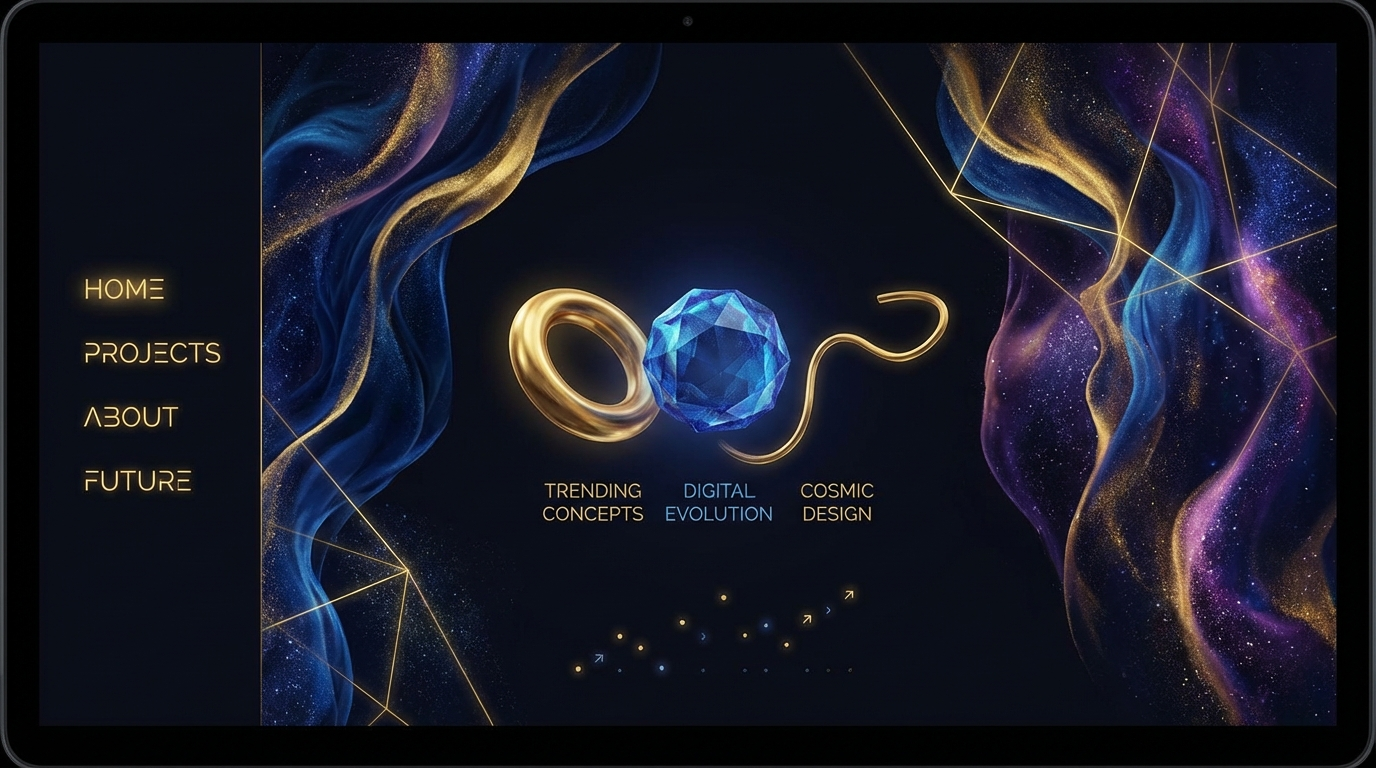
The standard "grid of thumbnails" portfolio is officially a relic of the past. In 2026, the job market for digital creatives is tighter and more competitive than ever. To land high-ticket clients or top-tier agency roles, your portfolio needs to be more than a gallery—it needs to be an **experience**.
Here are the portfolio trends defining 2026 and how you can use them to build a site that leaves a lasting impression.
1. Narrative-Driven Case Studies
Clients aren't just buying your skills; they are buying your thinking process. The "Final Result" is just the tip of the iceberg.
* **The Problem-Solution Arc:** Structure your case studies like a story. What was the challenge? What was the "Aha!" moment? What failed before you found the winner?
* **Quantifiable Impact:** "I made a pretty website" doesn't sell. "I redesigned the checkout flow, resulting in a 14% increase in successful transactions" does.
* **Embedded Loom/Video Context:** Brief, 60-second video walkthroughs of your design files or codebases add a layer of personality and proof that static images can't match.
2. "Soft Brutalism" Aesthetics
The sterile "corporate-clean" look is being replaced by **Soft Brutalism**. This style combines the raw, bold layouts of traditional brutalism with modern, approachable elements.
* **Bold Typography:** Use large, expressive fonts that command attention.
* **High Contrast + Rounded Corners:** Hard layouts softened by rounded edges and vibrant, yet sophisticated, color palettes.
* **Exposed Grids:** Showing the "bones" of the design to suggest a technical, structured approach.
3. Kinetic Typography & Micro-Interactions
Motion is the lifeblood of 2026 portfolios. It signals a high level of technical craft and keeps the user engaged.
* **Scroll-Triggered Animations:** Content shouldn't just appear; it should arrive. Use subtle fades, slides, and parallax to guide the eye.
* **Hover states that "Talk":** Interactive elements that react with personality. A button that "wiggles" or an image that shifts perspective adds a layer of delight.
* **Generative Backgrounds:** Low-impact, AI-generated SVG animations that move subtly in the background can make a static page feel alive.
4. The "Bento Box" 2.0
The Bento Grid (popularized by Apple) has evolved. In 2026, it's the primary way to display diverse information—skills, testimonials, links, and projects—in a single, cohesive view.
* **Variable Tile Sizes:** Use larger tiles for your "Hero" project and smaller tiles for secondary skills or social links.
* **Interactive Tiles:** Make each "box" in your bento grid a mini-interaction. A hover might reveal a quote, a click might play a short clip.
5. AI-Assisted Personalization
A portfolio in 2026 should be smart.
* **Intent-Based Routing:** A simple question at the start—"Are you looking for a Developer or a Designer?"—can instantly reorder your projects to show the most relevant work first.
* **Accessibility as a Default:** In 2026, a "creative" site that isn't accessible is considered a sign of poor design. High-contrast modes and screen-reader-friendly navigation are non-negotiable.
Your portfolio is your most important product. In 2026, make sure it reflects not just what you do, but who you are and how you think.
**Ready to level up your online presence?** SiteInsight AI can help you audit your current portfolio for performance, accessibility, and SEO impact.
Turn this article into a real benchmark
Start with the free Website Grader for an instant score, then move to the full AI scan when you want page-level recommendations.
Open the Free Website Grader →